
Start Your Laundromat Business with Affordable Domestic Laundry Machines
Entrepreneurship in Uganda is on the rise, and starting a laundromat business is an attractive venture for many. However, the initial investment can be a hurdle. This article explores how large capacity domestic washing machines can be the perfect solution for entrepreneurs looking to enter the laundry industry without significant upfront costs.
Why Choose Domestic Washing Machines?
Domestic washing machines with large capacities offer a middle ground between standard home appliances and commercial units. They are more affordable yet capable of handling a substantial volume of laundry, making them ideal for small-scale laundromat operations.
Top Picks for Aspiring Entrepreneurs
- Samsung WD21T6300GV 21kg/12kg Washer Dryer
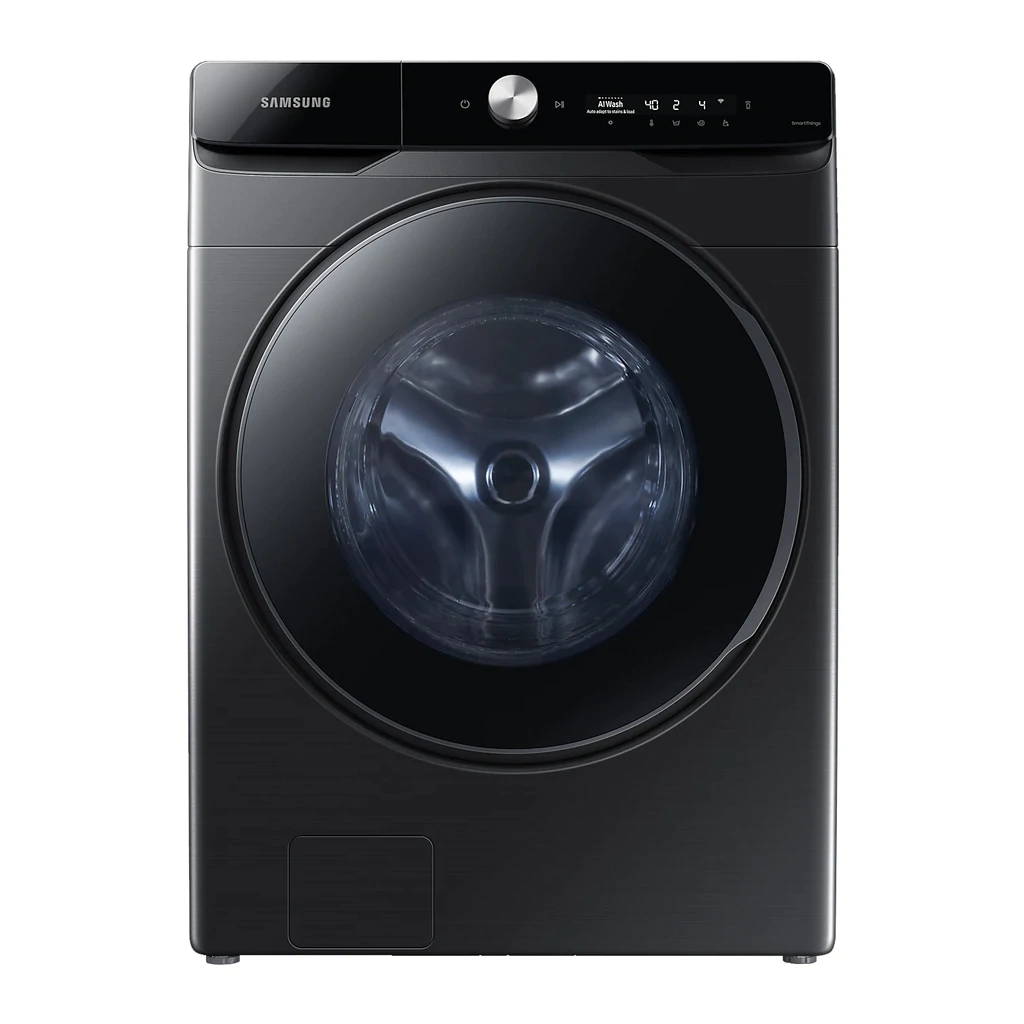
Samsung 21Kg/12Kg Washer Dryer (21kg Washing and 12kg Drying) with Eco Bubble™, AI Control, AI Wash, WD21T6300GV
Samsung WD21T6300GV 21kg Washer Dryer Combo with Eco Bubble™ and…
Out of stock
Samsung 21kg Washer Dryer: A powerhouse that can handle large loads with ease.
- Large Capacity: 21 kg washing and 12 kg drying capacity, ideal for handling large laundry loads.
- Energy Efficiency: Advanced energy-saving features reduce operational costs.
- Powerful Performance: Digital Inverter Technology ensures quiet and efficient operation.
- Versatile Wash Programs: Multiple wash cycles cater to different fabric types and soil levels.
- Smart Features: AI-powered recommendations and Wi-Fi connectivity for remote monitoring.
- Eco-Friendly: Eco Bubble Technology for efficient cleaning at lower temperatures.
- Durability and Reliability: High-quality construction for frequent use in commercial settings.
- User-Friendly Design: Intuitive controls and Drum Clean+ for easy maintenance.
- LG 20kg Washer Dryer (F3L2CRC2T)
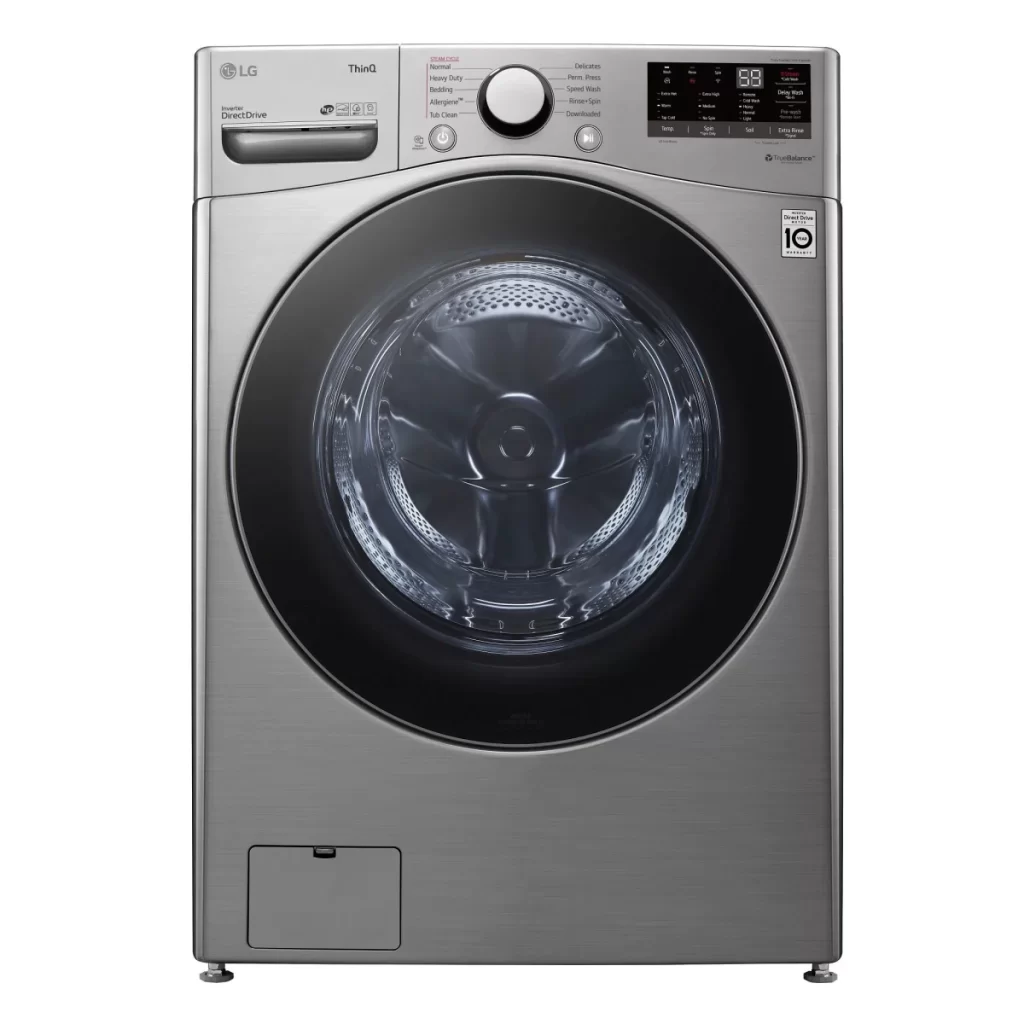
LG 20Kg/12Kg Washer Dryer | 20KG Washing Machine | 12KG Dryer | AI DD™ | Steam™ | TurboWash™ | F3L2CRV2T
LG 20Kg/12Kg Direct Drive Washer Dryer, 6 Motion, TurboWash™, Steam™…
In stock
LG 20kg Washer Dryer: Combines efficiency with a range of advanced features.
- Large Capacity: 21 kg washing and 12 kg drying capacity, ideal for handling large laundry loads.
- Energy Efficiency: Advanced energy-saving features reduce operational costs.
- Powerful Performance: Digital Inverter Technology ensures quiet and efficient operation.
- Versatile Wash Programs: Multiple wash cycles cater to different fabric types and soil levels.
- Smart Features: AI-powered recommendations and Wi-Fi connectivity for remote monitoring.
- Eco-Friendly: Eco Bubble Technology for efficient cleaning at lower temperatures.
- Durability and Reliability: High-quality construction for frequent use in commercial settings.
- User-Friendly Design: Intuitive controls and Drum Clean+ for easy maintenance.
- Samsung 19kg Automatic Top Load Washing Machine (WA19A8379GV)

Samsung 19Kg Top load Washing Machine with Digital Inverter and Wobble Technology, Black | WA19A8370GV
WA19A8370GV Top Loading Washer with Digital Inverter and Wobble Technology,…
In stock
- LG F0L2CRV2T2 18kg Washer Dryer
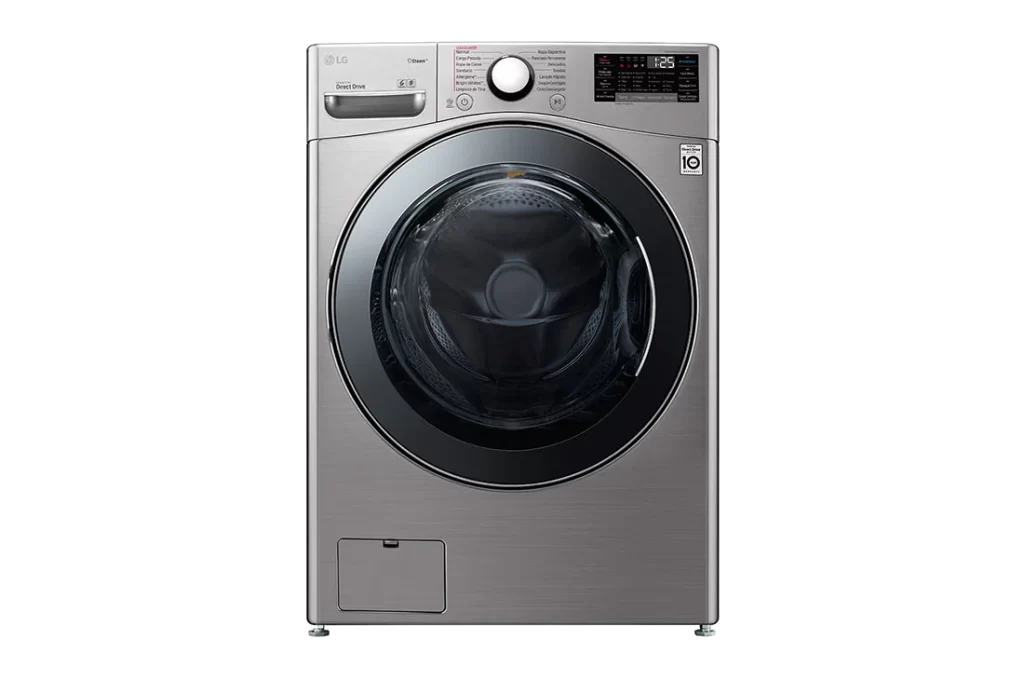
LG 18kg/10Kg | Front Load Washer/Dryer | TurboWash™ | Steam™, F0L2CRV2T2
LG 18kg/10Kg | Front Load Washer/Dryer | TurboWash™ | Steam™,…
In stock
- Samsung 18kg Automatic Front Load Washing Machine (WF18T8000GV)

Samsung 18kg Front Load Washer with Smart AI Control, Add Wash, Air Wash, WF18T8000GV
WF18T8000GV/EU ecobubble™ Washing Machine, 18kg 1100rpm 18kg Capacity: Ideal for…
In stock
- Hisense 17kg Automatic Top Load Washing Machine
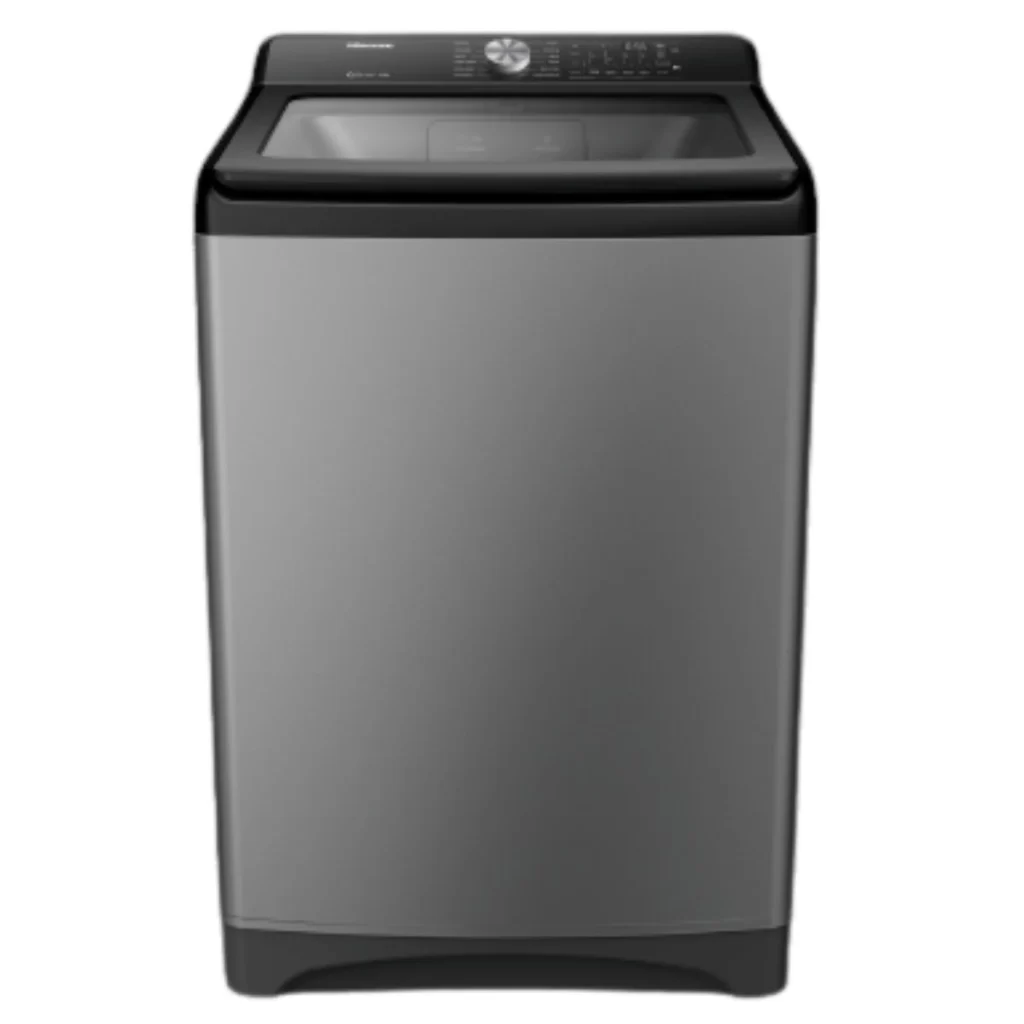
Hisense 17kg Automatic Top Load Washing Machine, WT3T1723UT; Smart Fuzzy Logic, Soak Function Rear Control, Auto Restart, Multi Programs
Hisense 17kg Automatic Top Load Washing Machine, WT3T1723UT; Smart Fuzzy…
Out of stock
- Samsung 16kg Automatic Top Load Washing Machine

Samsung 16Kg Top load Washer with Digital Inverter and Wobble Technology, Gray | WA16T6260BY
Samsung 16kg Top Load Washing Machine with Digital Inverter Motor…
In stock
- Hisense 12kg Washer Dryer
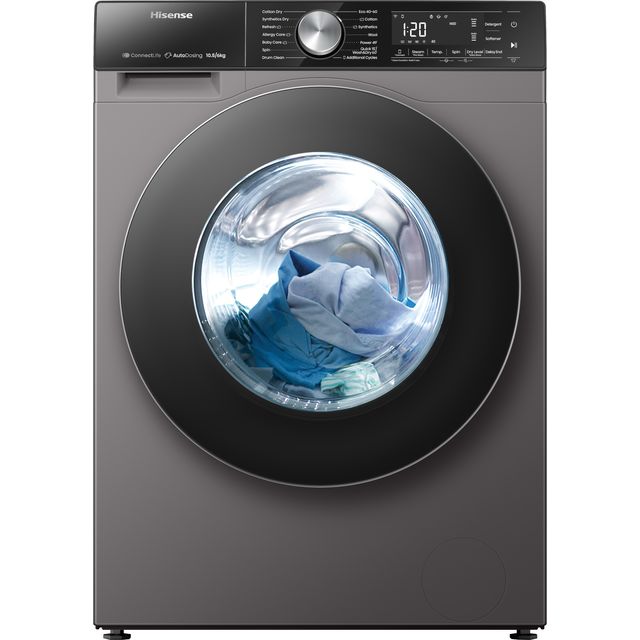
Hisense 12kg Washer Dryer Combo (WD5S1245BB)
Hisense 12kg Washer Dryer Combo Master laundry days with the…
In stock
- Hisense 12kg Front Load Washing Machine
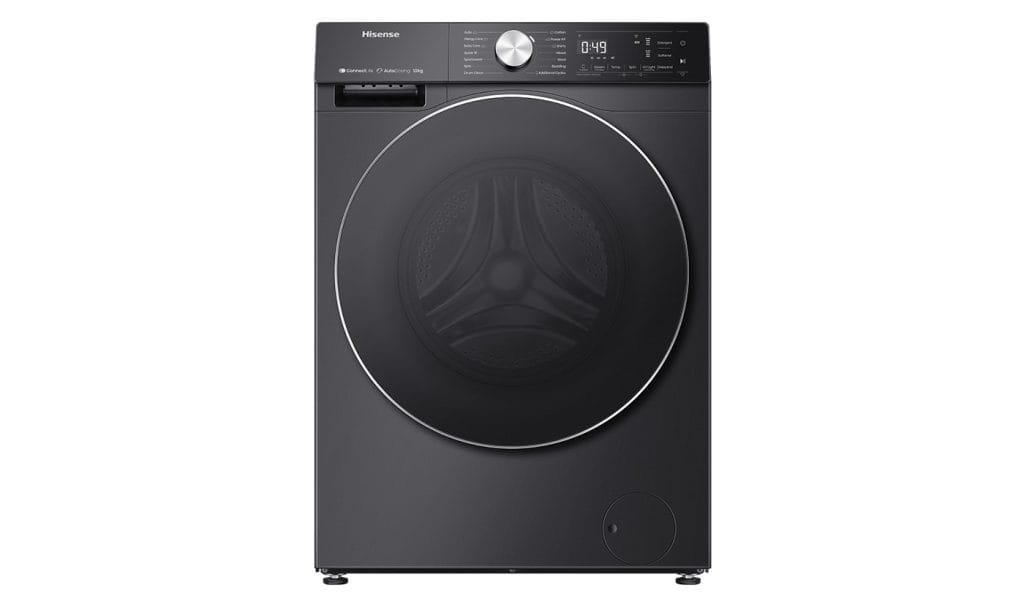
Hisense 12kg Front Load Washing Machine, A+++, 14000RPM, Pause and Add, WF3Q1242BT
Hisense 12kg Front Load Washing Machine, WF3Q1242BT Washing capacity: 12kg…
In stock
- Hisense 14kg Automatic Front Load Washing Machine

Hisense 14 Kg Automatic Top Load Washer, Self-Programming, Extra Rinse, Time Delay, WTJA1402T
Hisense 14KG Automatic Top Load Washer, Self-Programming, Extra Rinse, Time…
In stock
Bonus Options
- Twin tub Washing Machines
Twin tub washing machines are necessary in specific situations where their unique features and benefits are most advantageous. Here are some scenarios where twin tub washing machines are particularly useful:
Key Scenarios for Twin Tub Washing Machines
- Limited Water Supply:
- Twin tub washing machines typically use less water compared to fully automatic machines. This makes them ideal for areas with limited or irregular water supply. The ability to manually control water usage can be a significant advantage.
- Areas with Frequent Power Outages:
- Since twin tub machines can operate manually without relying on sophisticated electronic controls, they are better suited for regions with unstable electricity. You can pause the washing process without worrying about electronic resets.
- Budget Constraints:
- These machines are generally more affordable than fully automatic washing machines. For those on a tight budget, a twin tub machine offers a cost-effective solution without compromising on essential washing functions.
- Space Limitations:
- Twin tub washing machines are often more compact and can fit in smaller spaces. This makes them suitable for homes with limited laundry area or for use in apartments and small houses.
- Preference for Manual Control:
- Users who prefer more control over the washing process might find twin tubs more satisfying. You can decide the washing time, water level, and manage the transition between washing and spinning.
- Delicate or Heavy Laundry Loads:
- Twin tubs allow users to wash and spin clothes separately, which can be beneficial for handling delicate fabrics or heavy items like blankets and rugs. The manual transfer from the wash tub to the spin tub lets you manage delicate items with care.
- Rural or Remote Areas:
- In rural or remote areas where modern conveniences are limited, twin tub washing machines are often more practical. Their robustness and ease of repair make them a preferred choice.
Advantages of Twin Tub Washing Machines
- Efficient Water Usage: Manual control over water usage helps in conserving water.
- Energy Efficient: Generally consumes less power, suitable for areas with limited electricity.
- Flexibility: Allows washing and spinning at the same time, which can be more time-efficient.
- Durability: Often more robust with fewer electronic components that can fail.
-
 Hisense 14 Kg Twin Tub (Top Load Semi Automatic) Washing Machine, WSBE141UGX 1,200,000
 -
 Hisense 12 Kg Twin Tub (Top Load Semi Automatic) Washing Machine, WSBE121UGX 1,100,000
 -
Product on sale
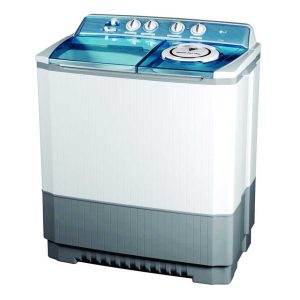 LG 13KG Twin Tub (Top Load Semi Automatic) Washer, Roller Jet, 3 Wash Programs, Wind Jet Dry, P1761RWNBLOriginal price was: UGX 1,800,000.UGX 1,550,000Current price is: UGX 1,550,000.
Don’t Forget the Drying Process!
A tumble dryer, commonly known as a clothes dryer, is an essential household appliance designed to dry laundry efficiently. Here are the primary purposes and benefits of using a tumble dryer:
Key Purposes of a Tumble Dryer
- Efficient Drying:
- Tumble dryers use heated air to remove moisture from clothes quickly, significantly reducing drying time compared to air drying. This efficiency is especially beneficial in busy households where time is a constraint.
- Weather Independence:
- Tumble dryers eliminate the dependency on weather conditions for drying clothes. They ensure that laundry can be dried regardless of rain, snow, or high humidity, making them indispensable in regions with unpredictable weather.
- Convenience:
- Using a tumble dryer simplifies the laundry process by eliminating the need to hang clothes on a line or rack. This convenience is particularly valuable in urban environments where outdoor drying space may be limited or nonexistent.
- Softening Clothes:
- Tumble dryers help to soften fabrics, reducing the stiffness that can result from air drying. This can be particularly beneficial for towels, bedding, and other items that benefit from a softer texture.
- Hygiene:
- The heat used in tumble drying can help to kill bacteria and dust mites, providing a hygienic benefit especially for items like bedding and underwear. This can be especially important for individuals with allergies or respiratory conditions.
- Wrinkle Reduction:
- Many tumble dryers come with features like wrinkle release cycles, which help to minimize wrinkles and reduce the need for ironing. This can save time and effort in maintaining neat and presentable clothing.
- Handling Large Loads:
- Tumble dryers are capable of handling large loads of laundry at once, which is particularly useful for families or individuals who need to dry significant amounts of laundry quickly and efficiently.
Advantages of Using a Tumble Dryer
- Time-Saving: Significantly reduces the time required to dry clothes compared to traditional air drying.
- Convenience: Provides an easy and hassle-free solution for drying laundry.
- Flexibility: Allows for laundry to be done at any time, without waiting for favorable weather conditions.
- Improved Fabric Softness: Leaves clothes feeling soft and fluffy, enhancing comfort.
- Hygienic Benefits: Can help to kill germs and allergens through the use of heat.
Consider these tumble dryers for a complete laundry solution:
- Ariston 9kg Tumble Dryer
-
Product on sale
 Ariston 9kg Heat Pump Tumble Dryer, Freestanding, NTM119X1SSK, SilverOriginal price was: UGX 2,900,000.UGX 2,800,000Current price is: UGX 2,800,000.
 -
Product on sale
 Ariston 9kg Heat Pump Tumble Dryer, Freestanding, NTM119X1SK, WhiteOriginal price was: UGX 2,900,000.UGX 2,800,000Current price is: UGX 2,800,000.
- Samsung 9kg Tumble Dryer

Samsung 9Kg Series 5 Heat Pump Tumble Dryer with OptimalDry™, A++, Grey, DV90TA040AX/EU
Samsung 9Kg Series 5 Heat Pump Tumble Dryer with OptimalDry™,…
In stock
- Bosch 9kg Tumble Dryer
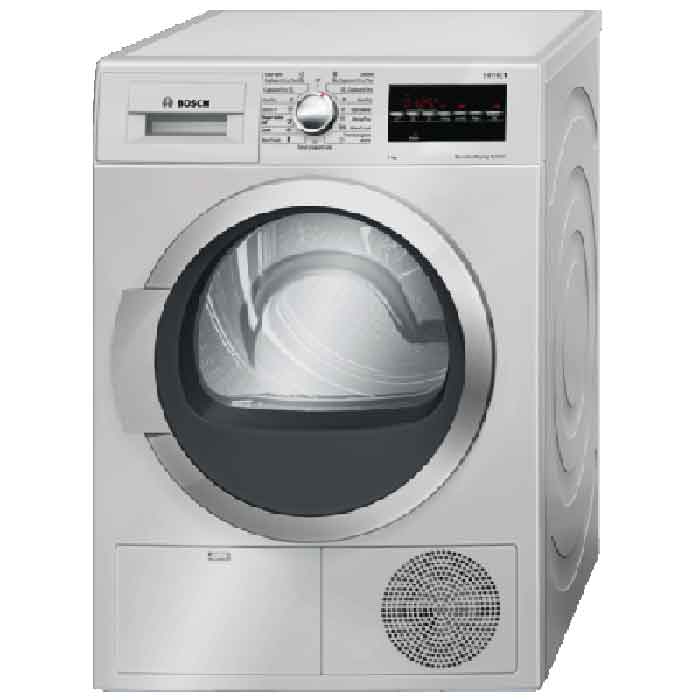
Bosch 9kg Front Load Condenser Tumble Dryer (WTG86400KE)
Bosch Front Load Condenser Tumble Dryer | 9KG AutoDry: gently…
Out of stock
Maximizing Your Investment
To get the most out of your domestic washing machine, regular maintenance is key. Additionally, offering complementary services such as ironing or dry cleaning can attract more customers and increase revenue.
Conclusion
Starting a laundromat business in Uganda doesn’t require a fortune. With large capacity domestic washing machines, entrepreneurs can launch their venture with confidence and grow their business over time. Embrace this cost-effective approach and tap into the potential of the laundry service market.
For those looking to invest in high-quality laundry equipment, Abanista.com offers a comprehensive range of laundry solutions tailored to meet the needs of new and growing businesses. Whether you need powerful washing machines, efficient dryers, or versatile combo units, Abanista has you covered. Visit Abanista.com today to explore their extensive collection and find the perfect appliances to support your laundromat business. With Abanista’s reliable products and competitive prices, you can confidently embark on your entrepreneurial journey and provide exceptional laundry services to your community.