
Elevate Your Viewing Experience with Samsung’s Latest 4K UHD Smart TVs
Samsung is proud to introduce the latest additions to its lineup of 4K UHD Smart TVs, the DU8000 and DU7000 series, now available in Uganda. These cutting-edge models combine stunning visuals, immersive audio, and intuitive smart features, delivering an unparalleled entertainment experience for every home.
Samsung DU8000 Series: Premium Visuals and Sleek Design
The DU8000 series stands out with its superior picture quality and refined aesthetics, perfect for those who demand the best from their viewing experience.
Key Features:
- Vivid 4K UHD Display: Enjoy breathtaking clarity and vibrant colors with HDR10, HDR10+, and HLG support. The DU8000 offers a wider color gamut and slightly higher peak brightness, making every scene come to life.
- Smooth Motion: Experience fluid motion and clarity with a 60Hz refresh rate and advanced motion handling technology.
- Immersive Audio: 20W Dolby Digital Plus audio enhances your viewing with clear, powerful sound.
- Slim and Stylish Design: The DU8000 boasts a premium, slim design with minimal bezels, enhancing the elegance of any living space.
- Smart Features: Access your favorite apps and streaming services effortlessly with the intuitive Tizen operating system. Built-in voice assistants like Bixby, Alexa, and Google Assistant offer convenient control.
- Enhanced Connectivity: Enjoy seamless connectivity with 3 HDMI ports, 2 USB ports, Ethernet, Wi-Fi 6, and Bluetooth 5.2.
Gaming Advantages:
- Enhanced Gaming Experience: While great for gaming, the DU8000 offers improved color accuracy and brightness for immersive gameplay.
Samsung DU7000 Series: Optimal Performance and Gaming Capabilities
The DU7000 series delivers exceptional 4K UHD performance with features tailored for both entertainment and gaming enthusiasts.
Key Features:
- High-Quality 4K UHD Display: Enjoy sharp details and lifelike colors with HDR10, HDR10+, and HLG support.
- Responsive Gaming: The DU7000 features a faster response time and supports gaming in 1440p resolution, ideal for smooth and responsive gameplay.
- Audio Excellence: 20W Dolby Digital Plus sound ensures clear and immersive audio.
- Smart Connectivity: Navigate through apps and services effortlessly with the intuitive Tizen OS. Voice control is made easy with Bixby, Alexa, and Google Assistant compatibility.
- Connectivity Options: Equipped with 3 HDMI ports, 1 USB port, Ethernet, Wi-Fi 6, and Bluetooth 5.2 for versatile connectivity options.
Gaming Benefits:
- Optimized for Gaming: With its faster response time and support for 1440p gaming, the DU7000 enhances your gaming experience with smoother graphics and reduced input lag.
Comparison: DU8000 vs. DU7000
- Visual Quality: The DU8000 offers a wider color gamut and higher peak brightness, delivering more vibrant and detailed visuals compared to the DU7000.
- Design: The DU8000 features a premium, slim design with minimal bezels, while the DU7000 maintains a sleek appearance suitable for any environment.
- Gaming Performance: The DU7000 excels in gaming with its faster response time and support for 1440p gaming, providing smoother graphics and enhanced responsiveness.
Comparison with Previous Models (2023)
DU8000 Comparison with 2023 CU8000 Series:
- Wi-Fi: The DU8000 features upgraded Wi-Fi 6 for better speed and connectivity compared to Wi-Fi 5 in the CU8000.
- Bluetooth: The DU8000 offers Bluetooth 5.2, an improvement over the CU8000’s Bluetooth 4.2.
- Smart Features: Enhanced Tizen OS for improved performance and more features.
- Design Improvements: Refined design with potentially slimmer bezels and an enhanced aesthetic.
DU7000 Comparison with 2023 CU7000 Series:
- Wi-Fi: The DU7000 features upgraded Wi-Fi 6 for enhanced speed and connectivity compared to Wi-Fi 5 in the CU7000.
- Bluetooth: The DU7000 offers Bluetooth 5.2, an improvement over the CU7000’s Bluetooth 4.2.
- Smart Features: Enhanced Tizen OS for better performance and additional functionalities.
- Design Refinements: Potentially slimmer bezels and improved aesthetics.
Availability
Both the Samsung DU8000 and DU7000 series are now available at Abanista.com and through our dealerships across Uganda. Step into the future of home entertainment and elevate your viewing experience today!
-
Product on sale
 Samsung 55-inch, DU8000, Crystal UHD 4K Smart LED TV; Tizen, Built-in Wi-Fi, HDR, Bluetooth, Dolby AtmosOriginal price was: UGX 3,400,000.UGX 2,250,000Current price is: UGX 2,250,000.
 -
Product on sale
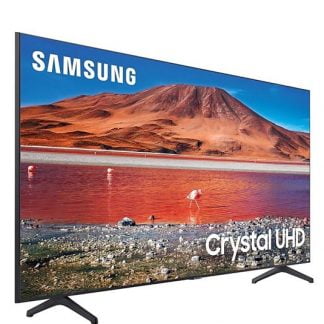 Samsung 43 Inch, DU8000, 4K Crystal Ultra HD Smart TVOriginal price was: UGX 2,500,000.UGX 1,950,000Current price is: UGX 1,950,000.
About Samsung
Samsung Electronics is a global leader in technology, opening new possibilities for people everywhere. Through relentless innovation and discovery, Samsung is transforming the worlds of TVs, smartphones, wearable devices, tablets, digital appliances, network systems, and memory, system LSI, foundry, and LED solutions.
Conclusion
Whether you prioritize superior visual quality and premium design with the DU8000 or seek optimal gaming performance and responsive gameplay with the DU7000, Samsung’s latest 4K UHD Smart TVs are designed to exceed your expectations. Visit Abanista.com and bring home the ultimate in television technology today!
