Introduction
Choosing the right refrigerator for your household is a significant decision, given its role in daily food preservation and how it impacts your home’s aesthetics and energy consumption. Here’s a polished guide to help you make an informed choice that caters to your needs.
Understanding Refrigerator Size
Family Member Capacity Recommendations:
- 1-2 members: Opt for 250-380L for better energy efficiency and long-term savings.
- 3-5 members: A fridge between 350-530L is suitable.
- 5+ members: Start with 440L and add at least 29L for each additional person, considering extra freezer space.
Exploring Refrigerator Types
Top Mount Freezer
For budget-conscious buyers, this offers excellent cost-performance.
- Pros:
- Affordable initial and operating cost
- Diverse selection available
- Cons:
- Requires bending to access the refrigerator
Bottom Mount Freezer
Prioritizes convenience and reduces bending.
- Pros:
- Ergonomic design
- Slide-out freezer baskets
- Growing variety in the market
- Cons:
- Pricier upfront
- Marginally higher operating costs
- Freezer chilling time
Side-by-Side
Ideal for households needing ample space and additional features.
- Pros:
- Feature-rich, e.g., ice and water dispensers
- Convenient for restricted spaces
- Good wheelchair accessibility
- Cons:
- Space taken by dispensers
- Narrow interior that may not fit larger items
- Physical size requires ample space
French Door
Combines bottom freezer convenience with added functionality.
- Pros:
- Advanced features like water dispensers
- Accommodates larger platters
- Benefits of a bottom-mounted freezer
- Cons:
- Dispensers occupy space
- Large size may be difficult to accommodate
Pigeon Pair
Offers flexibility with separate fridge and freezer units.
- Pros:
- Placement flexibility; separate locations possible
- Ample storage capacity
- Cons:
- Occupies more space overall
Choosing a Refrigerator Finish
Options:
- Stainless Steel: Sleek look but prone to fingerprints. Opt for matte or ‘fingerprint-resistant’ finishes.
- Classic White: Maintainable and often less expensive.
- Bright Colors: Fashionable statement pieces to consider with long-term style implications.
- Black: Modern and less prone to show marks.
- Glass: A contemporary choice with a range of color options and easier maintenance for fingerprints.
Refrigerator Energy Consumption
Energy-efficient models can save money on your energy bill. The larger the fridge, the more energy it uses. Energy star ratings let you compare efficiency relative to fridge size.
Food Placement
Store food in designated fridge zones to maintain freshness: meats in the chiller, butter in the dairy compartment, and fruits/veggies in the crisper.
Key Fridge Features
- Water/Ice Dispensers: Consider connection requirements and space implications.
- Crispers: Should seal well and fit items like celery or leeks.
- Doors: Check handle height, swing direction, and ease of opening.
- Temperature Controls: Independent controls for different compartments are ideal.
- Shelves: Look for ease of cleaning and adjustment capabilities.
- Rollers/Feet: For easy leveling and stability.
- Dairy Compartment and Chiller: For specific temperature needs.
- Quick-chill Zone: Avoid freezing food in too cold areas.
- Child Proofing Features: Look for child locks on dispensers and compartments.
- Noise: Depending on your home’s layout, consider the fridge’s operating sound.
- Cleaning: Easy-to-clean designs are a plus.
Comparison: Defrost, Frost-Free, and Total No Frost Refrigerators
Defrost, Frost-Free, and Total No Frost are terms used to describe different technologies in refrigerators, specifically in relation to the freezer compartment. Let’s explore the differences between these three types:
- Defrost Refrigerators:
- In traditional defrost refrigerators, ice tends to build up in the freezer compartment over time.
- To prevent excessive ice accumulation, users need to manually defrost the freezer periodically. This process involves turning off the refrigerator, removing food items, and allowing the ice to melt.
- While defrost refrigerators are generally less expensive, the manual defrosting requirement can be inconvenient for users.
- Frost-Free Refrigerators:
- Frost-free refrigerators feature an automatic defrost system that prevents ice buildup in the freezer compartment.
- These refrigerators use a heating element or a cycle to periodically melt any frost that accumulates on the evaporator coils. The resulting water is then drained away.
- Frost-free models save users the hassle of manual defrosting and ensure that the freezer compartment remains free of ice, maintaining optimal temperature and efficiency.
- Total No Frost Refrigerators:
- Total No Frost refrigerators take the concept of frost-free a step further by extending it to both the freezer and fresh food compartments.
- In Total No Frost models, multiple evaporators are used—one for the freezer and one for the fresh food compartment. This design prevents the mixing of air between the two sections and ensures that each maintains its optimal humidity level.
- Total No Frost technology eliminates the need for any manual defrosting, providing consistent cooling throughout the refrigerator and freezer without the risk of ice buildup.
Understanding the terms: Gross size and Net capacity in refrigeration
In refrigeration, “gross size” refers to the total internal volume of a refrigerator or freezer compartment, including all internal structures, while “net size” represents the actual usable storage space by excluding the volume occupied by features such as shelves, drawers, and other internal components.
Both net size and gross size in refrigeration are useful in different contexts:
- Gross Size:
- Usefulness: Gross size is particularly useful when you want to know the maximum internal volume or capacity of the refrigerator or freezer compartment.
- Application: It helps in understanding the overall physical dimensions of the appliance and is often used in marketing and product specifications to highlight the total storage potential, including all internal spaces.
- Net Size:
- Usefulness: Net size is more practical for consumers as it reflects the actual usable storage space within the refrigerator or freezer.
- Application: When you are considering purchasing a refrigerator for storing food and beverages, the net size is more relevant. It provides a realistic understanding of the space available for items, excluding the areas occupied by shelves, drawers, and other internal structures.
Understanding the Term: Inverter compressor in Refrigeration
An inverter compressor is a type of compressor used in refrigeration and air conditioning systems, designed to provide more efficient and precise control of the cooling process. Traditional compressors operate on a binary principle—either running at full capacity or completely off. In contrast, inverter compressors use variable speed technology, allowing them to adjust their speed based on the cooling demand.
Here are key features and benefits of inverter compressors in refrigeration:
- Variable Speed Operation:
- Inverter compressors can operate at different speeds, adjusting their capacity to match the cooling requirements at any given moment.
- This variable speed operation allows for more precise temperature control and energy efficiency.
- Energy Efficiency:
- Inverter compressors are more energy-efficient compared to traditional compressors because they don’t have to start and stop frequently, which consumes more power.
- The ability to modulate the speed helps maintain a consistent temperature without unnecessary energy consumption.
- Steady Temperature:
- The continuous adjustment of the compressor’s speed enables the maintenance of a more stable and precise temperature within the refrigerator or freezer.
- This feature helps prevent temperature fluctuations and ensures that the contents are preserved optimally.
- Reduced Noise Levels:
- Inverter compressors tend to operate more quietly than traditional compressors because they can run at lower speeds during periods of lower cooling demand.
- Extended Lifespan:
- The gradual and controlled starts and stops, as well as the ability to operate at lower speeds, contribute to reduced wear and tear on the compressor.
- This can result in a longer lifespan for the compressor and, by extension, the overall refrigeration system.
- Quick Cooling Response:
- Inverter compressors can respond quickly to sudden changes in cooling requirements, providing rapid cooling or adjusting to maintain a steady temperature as needed.
In summary, an inverter compressor in refrigeration systems offers improved energy efficiency, more precise temperature control, reduced noise levels, and a longer lifespan compared to traditional compressors. This technology has become increasingly popular in modern refrigerators and air conditioners for its ability to enhance overall performance and reduce energy consumption.
Understanding the Term: Multi-Air Flow in refrigeration
Multi Air Flow is a technology commonly used in refrigerators and freezers to ensure even and consistent cooling throughout the appliance. It involves the circulation of cold air in multiple directions, preventing temperature variations and maintaining optimal conditions for food preservation. Here are key features and benefits of Multi Air Flow:
- Uniform Temperature Distribution:
- Multi Air Flow systems use strategically placed vents to distribute cold air evenly throughout the refrigerator and freezer compartments.
- This helps maintain a consistent temperature across all shelves and drawers, preventing hot or cold spots.
- Reduced Temperature Fluctuations:
- The circulation of air in multiple directions minimizes temperature fluctuations inside the appliance.
- This is particularly beneficial for preserving the freshness of perishable items and maintaining the quality of frozen foods.
- Quick Cooling and Freezing:
- Multi Air Flow technology enables rapid cooling and freezing by ensuring a steady and efficient airflow.
- It helps in achieving the desired temperature quickly after loading new items or opening the door.
- Humidity Control:
- Some Multi Air Flow systems incorporate features to control humidity levels within specific compartments.
- This is especially useful for optimizing conditions in the crisper drawers to keep fruits and vegetables fresh for a longer time.
- Prevention of Odor Mixing:
- By maintaining separate air circulation paths, Multi Air Flow helps prevent the mixing of odors between different sections of the refrigerator.
- This is important for preserving the natural flavors of various food items.
- Energy Efficiency:
- While promoting optimal cooling, Multi Air Flow systems are designed with energy efficiency in mind.
- By avoiding temperature imbalances and ensuring an even distribution of cold air, the refrigerator or freezer does not have to work as hard to maintain the set temperatures.
- Improved Shelf Life:
- Consistent and uniform cooling helps extend the shelf life of food items, reducing the likelihood of spoilage and food waste.
Overall, Multi Air Flow technology contributes to a more efficient and reliable cooling system in refrigerators and freezers. It addresses common issues such as uneven temperatures, humidity control, and odor mixing, providing users with a better experience in preserving the freshness and quality of their food.
Shopping Tips
While looking to purchase a refrigerator, especially in Uganda, consider reliable retailers such as Abanista.com for competitive prices and diverse options.
Always compare the gross capacity (total volume) with the net capacity (usable space after considering structural elements) to gauge the actual storage space available.
By understanding your needs, preferences, and the options available, you can choose a refrigerator that aligns with your household requirements, design preferences, and budget constraints.
Some of the most reliable refrigerator brands in Uganda
When durability and longevity are paramount considerations, explore these trusted brands renowned for their reliability. These manufacturers have consistently delivered on the promise of robust and enduring refrigeration solutions, each brand offering a unique blend of cutting-edge technology, energy efficiency, and design excellence to ensure your food stays fresh and your investment stands the test of time.
Whirlpool: Renowned for crafting energy-efficient, low-maintenance, and reliable refrigerators across a diverse range of price points, Whirlpool stands as a top choice. If you seek a robust and trustworthy fridge that effortlessly keeps your food fresh, Whirlpool is the go-to brand.
LG: Setting the bar for modern refrigerators, LG is synonymous with cutting-edge features. From WiFi-enabled fridge freezers to competitively priced essentials, LG strikes a balance between advanced technology and affordability.
Samsung: A powerhouse in household appliances, Samsung’s refrigerators boast various styles and price ranges. The brand excels in durability, a crucial factor considering the significant investment associated with refrigerators.
Bosch: Prioritizing reliability and spaciousness, Bosch refrigerators feature massive doors, adjustable storage, and ample capacity. Ideal for large families or those who frequently entertain and cook, Bosch ensures a dependable choice.
Electrolux: In the realm of fridges, Electrolux offers a diverse selection, including models with or without dispensers. The brand’s striking designs come with standard configurations like French doors, side-by-side, top freezer, and bottom freezer.
Hitachi: Known for its reliability in high-end electronics and appliances, Hitachi excels in refrigerators. Innovative developments and a steadfast commitment to product reliability make Hitachi a trustworthy choice.
Beko: Beko’s stylish range of fridges, from tall larder to under-counter options, caters to both single users and large families. With sleek designs and Energy Star certification, Beko refrigerators elevate kitchen spaces while preserving food longer. As a global leader in household appliances, Beko has maintained a strong presence, supplying appliances to a significant number of homes.
Hisense: For budget-friendly refrigerators offering functionality and sought-after features, Hisense is the brand of choice. Beyond refrigerators, Hisense provides a variety of specialty appliances, including air purifiers, dishwashers, microwaves, and air conditioners.
What’s in store!
-
Product on sale
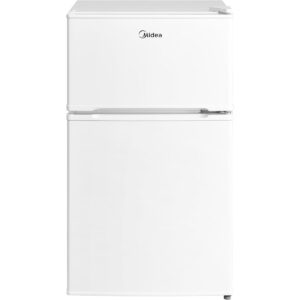 Midea 134L Gross & 87L Net Double Door Refrigerator with Separate Chiller Compartment, 2L Bottle Holder, Mini Fridge for Kitchen, Bedroom, Office & Bar, Inverter Quattro, White – MDRT134FGE01AEOriginal price was: UGX 850,000.UGX 725,000Current price is: UGX 725,000.
 -
Product on sale
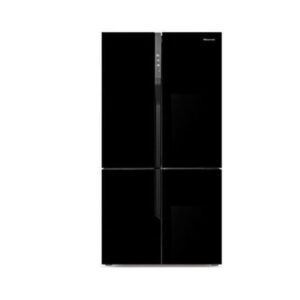 ADH 558 Litres 4-Door Refrigerator, Black Glass FinishOriginal price was: UGX 4,000,000.UGX 2,680,000Current price is: UGX 2,680,000.
 -
Product on sale
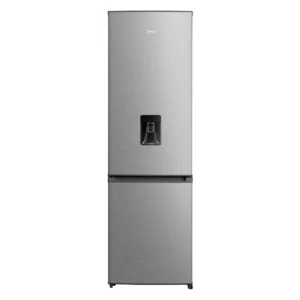 Midea MDRB380FGN50D 385L Bottom Freezer Refrigerator – Inverter No Frost Fridge with Water Dispenser, SilverOriginal price was: UGX 2,200,000.UGX 1,890,000Current price is: UGX 1,890,000.
 -
Product on sale
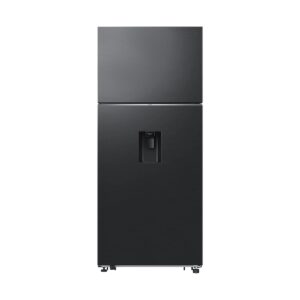 Samsung RT53DG7B60B1UT 528L Top Mount Freezer Refrigerator | Twin Cooling Plus | SmartThings WiFi Connectivity | Water Dispenser | No Frost | Digital Inverter Compressor | BlackOriginal price was: UGX 5,500,000.UGX 4,625,000Current price is: UGX 4,625,000.
 -
Product on sale
![Samsung Series 8 SpaceMax, 488L, Multi Door Fridge Freezer, With Twin Cooling Plus System & Total No Frost Feature, Colour: Gentle Black Matt, Model: RF48A401EB4/EU [Energy Class E]](https://www.abanista.com/wp-content/uploads/2026/06/uk-non-plumbing-water-dispenser-rf48a401eb4-eu-538059122-e1780663454291-300x300.webp) Samsung Series 8 SpaceMax, 488L, Multi Door Fridge Freezer, With Twin Cooling Plus System & Total No Frost Feature, Colour: Gentle Black Matt, Model: RF48A401EB4/EU [Energy Class E]Original price was: UGX 5,500,000.UGX 4,925,000Current price is: UGX 4,925,000.
Samsung Series 8 SpaceMax, 488L, Multi Door Fridge Freezer, With Twin Cooling Plus System & Total No Frost Feature, Colour: Gentle Black Matt, Model: RF48A401EB4/EU [Energy Class E]Original price was: UGX 5,500,000.UGX 4,925,000Current price is: UGX 4,925,000. -
Product on sale
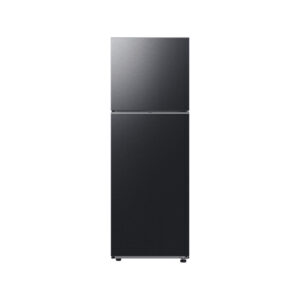 SAMSUNG RT35CG5421S9UT 348L 2-Door Refrigerator – Digital Inverter, No Frost, All-Around Cooling Fridge with Optimal Fresh ZoneOriginal price was: UGX 3,200,000.UGX 2,825,000Current price is: UGX 2,825,000.
 -
Product on sale
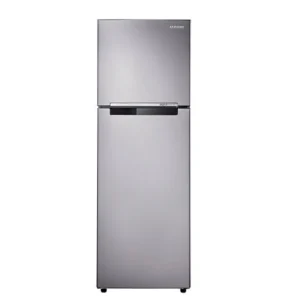 SAMSUNG RT25FARBDSA 256L 2-Door Refrigerator – Digital Inverter Fridge with Silver Plus Deodorizer, Energy Efficient Double Door KulkasOriginal price was: UGX 2,450,000.UGX 2,350,000Current price is: UGX 2,350,000.
 -
Product on sale
 Samsung RT22FGRADSA Top Mount Refrigerator 234L (8.5 CFT) No Frost, Multi Flow Cooling, MoistFresh Zone, Twist Ice Maker – Metal GraphiteOriginal price was: UGX 2,450,000.UGX 2,125,000Current price is: UGX 2,125,000.
 -
Product on sale
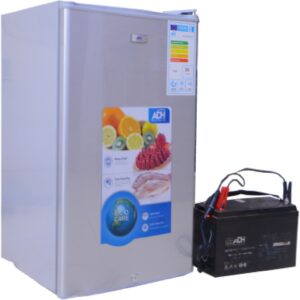 ADH 90 Litres DC Solar Fridge – 90L Single Door Solar Refrigerator with Fast Cooling Compressor, 12V/24V DC Operation & Energy Efficient Off-Grid Design – SilverOriginal price was: UGX 1,150,000.UGX 1,050,000Current price is: UGX 1,050,000.
Q&A
How does the gross size differ from that of the net size?
The gross capacity is the total volume of the refrigerated space. The net capacity is the total volume of refrigerated space available to store food & drink, once the structural features of your appliance have been taken into account.




![Bosch Serie 8 HBG634BB1B Built In Oven Electric 71 Litre A+ Energy [Energy Class A+]](https://www.abanista.com/wp-content/uploads/2022/05/hbg634-bb1b-300x300.jpg)