Ultimate Speaker Buying Guide
When it comes to purchasing speakers, the market is flooded with options, ranging from budget-friendly models to high-end, audiophile-grade systems. Navigating through brands like Bose, JBL, and Klipsch can be overwhelming. Here’s a comprehensive speaker buying guide to help you make an informed decision.
Understanding Speaker Types
Before delving into brands, understand the types of speakers available:
- Bookshelf Speakers: Compact enough to fit on a shelf, suitable for small to medium-sized rooms.
- Floorstanding Speakers: Larger and typically offer a fuller sound profile, ideal for larger spaces.
- Surround Sound Systems: Designed for home theater experiences, they envelope you in sound from every direction.
- Subwoofers: Specialize in reproducing low-frequency sounds or bass.
- Soundbars: A simple way to improve your TV’s sound without the complexity of a full surround sound system.
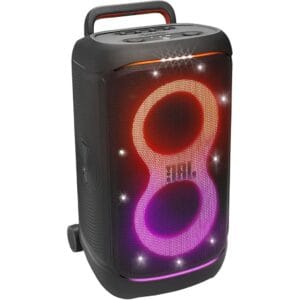
- Portable Speakers: Offer wireless convenience for on-the-go use.
Sound Quality
High Fidelity
For the audiophile, brands like McIntosh Laboratory, KEF, and Bowers & Wilkins represent the pinnacle of high-fidelity sound, delivering crystal-clear audio and robust build quality. Consider:
- Frequency Response: Range of audio frequencies the speaker can reproduce.
- Sensitivity: Efficiency with which a speaker converts power into sound.
- Drivers: The number and types of drivers affect the overall sound.
Connectivity
- Wired vs. Wireless: Brands like Sonos, Bose, and JBL offer excellent wireless speakers that provide both convenience and high-quality sound.
- Bluetooth and Wi-Fi: Sonos and Yamaha produce speakers that can connect to various devices over Wi-Fi for streaming music.
Durability and Design
- Build Quality: Premium brands like Bang & Olufsen and Definitive Technology not only sound great but are also designed to last.
- Aesthetic: The design is essential, and brands like Marshall and KEF offer unique styles.
Specifications to Consider
- Power Handling: This indicates how much power, in watts, a speaker can handle.
- Impedance: Lower impedance requires less power to drive the speaker.
Integrating with Your System
Brands like Dolby are known for setting standards in surround sound technology. Ensure your speakers are compatible with your existing components or home theater system.
Price Range
Set a budget and stick to it. High-end brands like Focal and Martin Logan can be expensive, while brands like Pioneer and Polk Audio offer more budget-friendly options.
Brand Reputation
Consider the reputation of the brand for quality and customer service. Brands like Sony, Samsung, LG, and Yamaha are known for their comprehensive customer support.
Testing and Reviews
Always read reviews and, if possible, test the speakers yourself. Each person has unique preferences, and what sounds good to you might be different from what the reviews say.
Where to Buy
Decide if you prefer to purchase in-store, where you can hear the speakers firsthand, or online, where you might find better deals.
By considering these factors, comparing brands within your budget, and testing speakers yourself, you’ll find the perfect set to meet your needs and elevate your listening experience to the next level. Happy speaker shopping!